Inside SF Tech Week 2026: Beyond the AI Hype
Across SF Tech Week, the harder question was no longer who could build with AI. It was who could turn increasingly accessible technology into a durable business.

At Anthropic's Claude Founder House in San Francisco, the competition for the next generation of AI startups was easy to see. The company had turned Terra Gallery into a three-day base for founders and operators, with talks, workshops, office hours and live demonstrations.
It was one of several events I attended during SF Tech Week 2026, alongside ARK Invest's Who Will Own the Future? and the IBM Sports Tech Startup Challenge Showcase co-hosted with a16z Speedrun.
Moving between them, I kept returning to the same tension: building with AI is becoming easier, but building a lasting business around it remains difficult.
That distinction shaped much of what I saw across the week.
Anthropic Is Competing for Founders, Not Just Model Users
Claude Founder House showed how competition among frontier AI companies is changing. Anthropic was not simply demonstrating what Claude could do. It was bringing founders into its ecosystem, offering direct access to its Applied AI team and creating opportunities to meet investors and other operators.
The program ranged from production agents and fundraising to healthcare, plugins and Physical AI. Sessions included investors from Lightspeed, Sequoia and ICONIQ, as well as robotics founders working to bring AI into factories, laboratories and other physical environments.
For startups, access to capable models is becoming less distinctive on its own. The harder questions concern distribution, customer relationships, proprietary data and whether a product can become essential to an existing workflow.
That makes the relationship between model providers and startups increasingly important. The companies supplying the underlying intelligence also want to shape the applications and businesses built on top of it.
a16z and the Search for Real Business Models
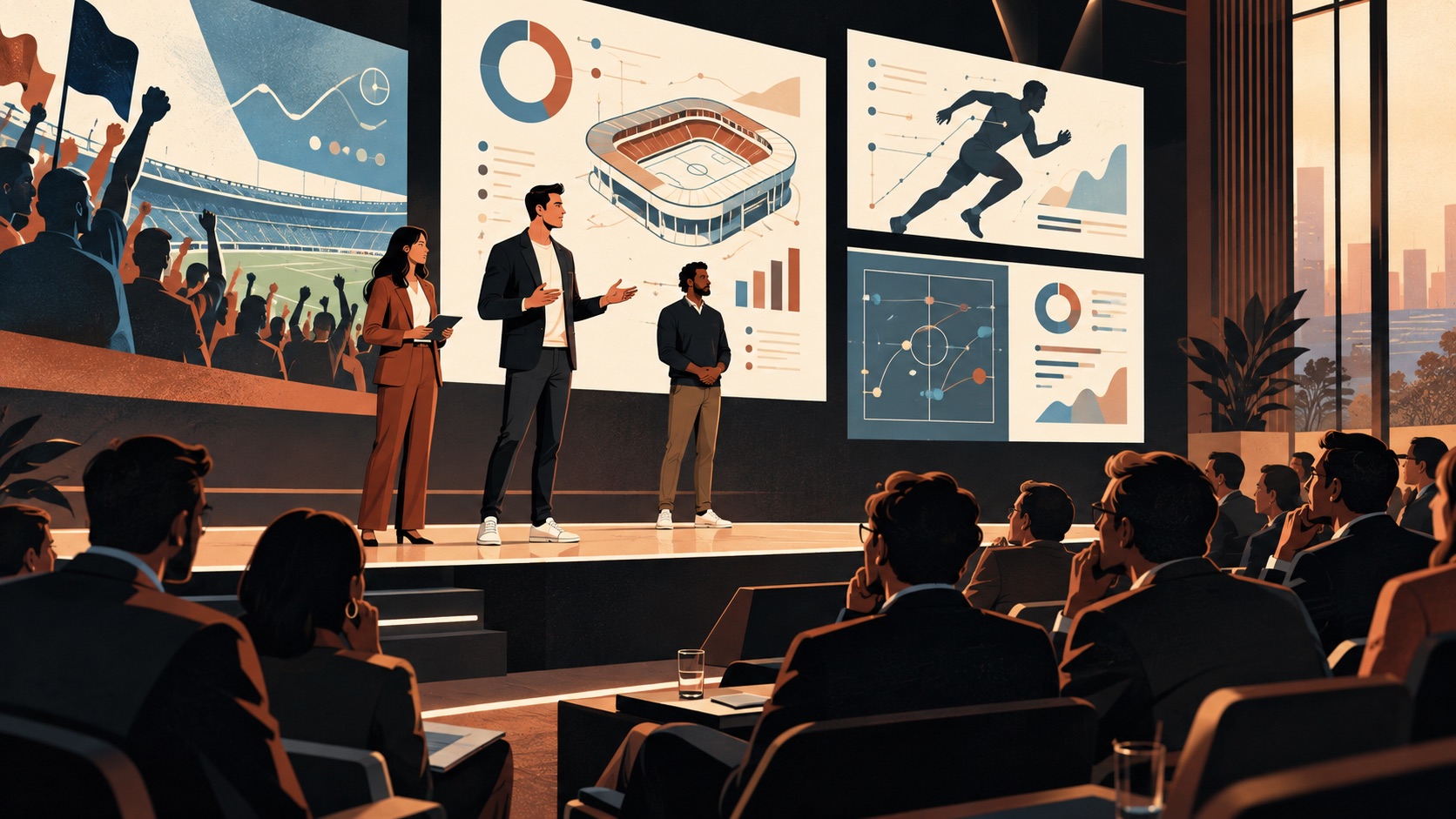
At the IBM Sports Tech Startup Challenge Showcase, co-hosted with a16z Speedrun, founders pitched technologies for fan engagement, content operations, stadium coordination and athletic performance. Among the companies I saw present were LivXp, PressBox and TIGERMACH.
The judging panel included investors from a16z Speedrun, Powerhouse Capital and Sony Ventures. What interested me most, however, was the range of commercial problems on stage.
Some startups were trying to unlock new revenue from fans. Others focused on operational efficiency or better performance information. The technology differed, but the business questions were familiar: Who pays? How much? And can early interest become repeatable revenue?
AI has reduced some of the cost of developing software. It has not removed the challenge of acquiring customers or building a defensible company.
ARK Invest Looks Beyond the AI Trade
One of the week's more unusual combinations of perspectives came at ARK Invest's Who Will Own the Future?, featuring ARK founder Cathie Wood, four-time NBA champion and investor Andre Iguodala, and Sarah Pinto, head of Robinhood Ventures.
After several days of conversations focused on software and startup execution, this event shifted the discussion toward capital, ownership and the value of assets that remain scarce. Sports is a useful example.
AI can generate content, automate marketing and create new digital experiences. It cannot reproduce the history of a championship team, the appeal of a particular athlete or the atmosphere of a live game. That scarcity may create opportunities at the intersection of technology, entertainment and consumer experience.
The connection with the IBM showcase was striking: one event examined the investment appeal of sports and scarce experiences, while the other featured founders building tools to operate and monetize within that market. Whether those tools can become profitable businesses remains the critical question.

Robotics Moves Into the Spotlight
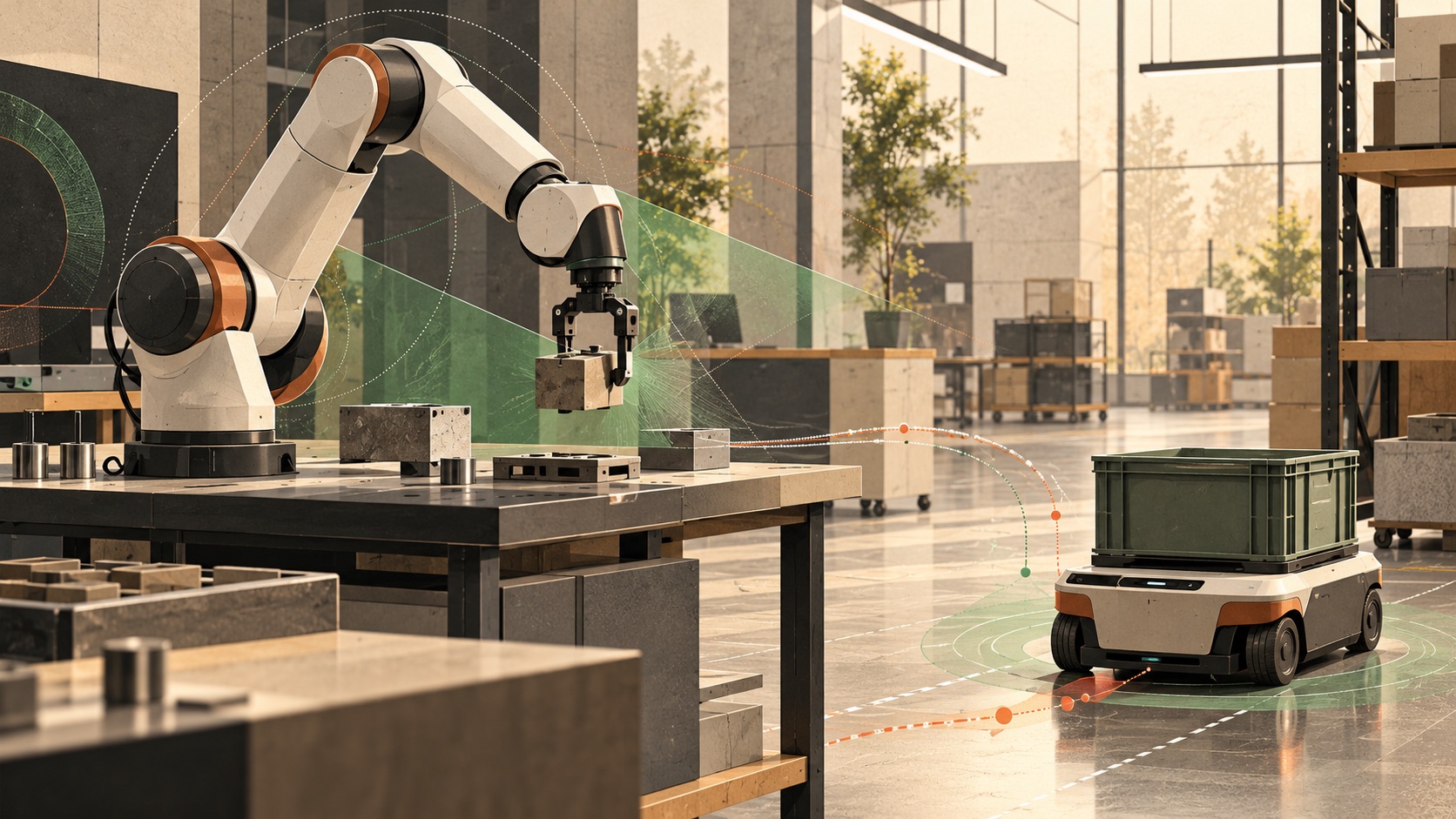
Physical AI was another major theme across Tech Week, even though I could not attend every robotics-focused event. The official program included robotics showcases and investor gatherings, while Claude Founder House hosted discussions about AI in the physical world and Anthropic's Model Hardware Standard.
The shift from digital agents to physical machines introduces a different set of problems. Robots must operate in unpredictable environments, handle physical objects and meet demanding standards for safety and reliability. Hardware costs, training data and manufacturing capacity can matter as much as model intelligence.
This is also an area where global competition matters. The United States has deep strengths in AI research, software and venture capital. China's robotics manufacturing ecosystem and component supply chains are significant advantages in bringing physical products to market.
The companies that succeed will have to connect advances in intelligence with hardware that customers can afford, deploy and trust. For investors, a compelling demonstration is only the beginning; commercial adoption will depend on measurable performance and economics.
Silicon Valley's Next Test
SF Tech Week is not a conventional conference. Hundreds of independently organized events bring together founders, researchers, investors and corporate executives, often with very different ideas about what matters next. That variety is part of its appeal.
At Claude Founder House, the focus was on building an AI startup ecosystem. At the IBM and a16z Speedrun showcase, it was on turning products into businesses. At ARK Invest, the conversation extended to ownership, capital and the future value of scarce assets.
Across the wider program, infrastructure, robotics and enterprise adoption added another dimension: making AI work reliably and economically outside a demonstration.
The AI boom has not lost its momentum, but the standard for success is changing. The question I left San Francisco thinking about was not simply which company would build the next breakthrough model. It was which companies could turn those breakthroughs into products that people and businesses would keep paying for.
That may be the more revealing competition to watch.
Sources and further reading
- SF Tech Week 2026 official website and dates
- Anthropic: Claude Founder House San Francisco
- SF Tech Week: Who Will Own the Future?
- SF Tech Week: IBM Sports Tech Startup Challenge Showcase
- IBM: AI is redefining the future of sports
This first-person analysis reflects events attended by the author during SF Tech Week 2026, supplemented by official event and organizer materials. The accompanying artwork is original Future Frontier editorial illustration and is not documentary photography.